

Are Your Fuel Tanks Compliant? The Legal and Environmental Risks of Inadequate Bunding
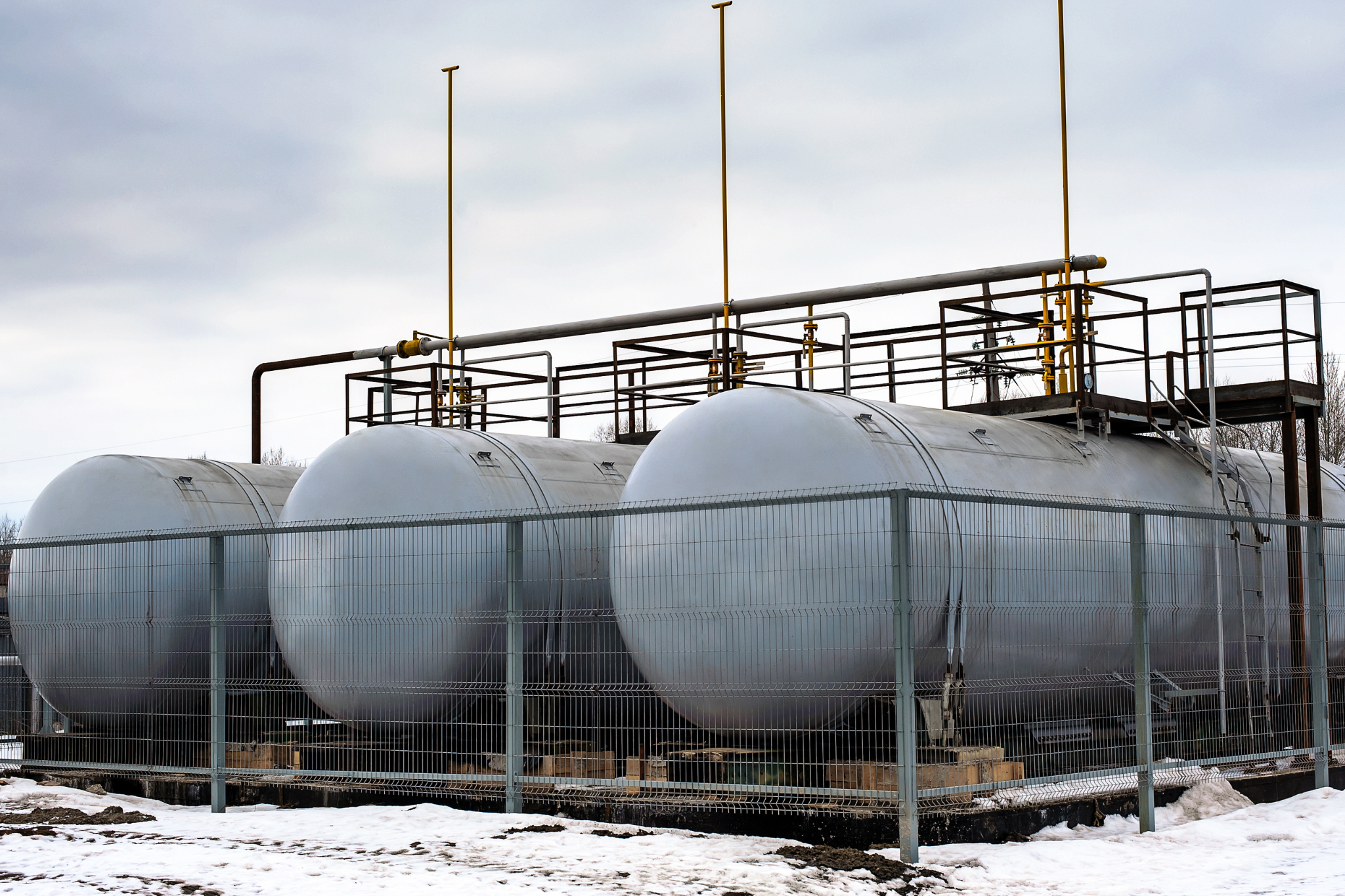
Fuel tank bunding is a legal requirement under UK regulations designed to prevent pollution, protect controlled water and reduce fire risk. Yet many fuel tanks in active commercial use are either incorrectly specified, poorly maintained or only partially compliant because secondary containment has not been properly designed or reviewed.
When fuel storage fails, the consequences extend beyond simply replacing a tank. Regulators have the power to prosecute, impose fines and recover full clean-up costs. Even a relatively small volume can cause significant environmental damage, particularly if spills reach drainage systems or coastal waters. Insurance cover can also be compromised if bunded fuel storage tanks do not comply with current storage regulations.
What are the rules for bunded fuel tanks?
In England, storage regulations require most businesses storing more than 200 litres of fuel above ground to provide adequate secondary containment. Similar storage regulations apply across Scotland, Wales and Northern Ireland. In practical terms, this means that most commercial fuel tanks must be installed as a bunded fuel tank or housed within a compliant bunded area.
These rules apply to fixed tanks, many intermediate bulk containers and, in some cases, even a single drum if thresholds are exceeded or risk factors are present.
For petrol installations, the position is more tightly controlled. Operators must obtain and maintain a petroleum storage certificate issued by the local petroleum enforcement authority. In our experience, that authority will expect compliant bunded fuel systems as standard.
Are bunded fuel tanks compulsory?
For most commercial storage, a single skin tank without secondary containment will rarely meet fuel storage compliance unless it falls below specific thresholds and is located away from pollution risk. In practice, the majority of commercial tanks and fuel storage tank installations should be bunded tank systems.
Is it illegal to have a single skin tank?
Where storage regulations apply, failing to provide secondary containment can constitute a criminal offence. The legislation is enforceable and breaches can result in prosecution. Operators must not assume that because a tank has been in place for years it remains compliant under current UK regulations.
What are the requirements for a tank bund?
A bund provides secondary containment. Its purpose is to ensure that if stored fuel escapes from the primary tank, it remains contained and does not reach soil, drainage systems or watercourses.
For a single bunded fuel tank, the bund must hold at least 110 percent of the tank’s maximum capacity. Where multiple storage tanks share a bunded area, the bund must hold the greater of 110 percent of the largest tank or 25 percent of the total storage capacity. These calculations must account for obstructions, tank supports and any reduction in effective volume caused by bases or paving stones within the bund.
Bunds must be impermeable to fuel and water, structurally sound and resistant to degradation. Concrete bunds must not crack or allow seepage. Steel bunds must be protected against corrosion. Plastic systems must comply with relevant British standard guidance and firing technical association recommendations.
Delivery pipes, steel pipework, valves, pumps and the fill point should be located within the bunded area wherever reasonably practicable. Where a pipe leaves the bund, penetrations must be properly sealed to maintain integrity. Drain outlets must be fitted with a lockable valve and kept locked shut except during controlled discharge following inspection.
Where commercial sites commonly fall short
Most compliance failures arise not from the absence of bunding but from poor detailing and lack of maintenance.
Remote filling is a frequent issue. A remote fill pipe located outside the bunded area without suitable secondary containment or a correctly sized drip tray creates obvious risk during deliveries from fuel lorries. Similarly, delivery pipes and feed line connections that pass through bund walls without appropriate sealing undermine the entire containment system.
Overfill incidents remain one of the most common causes of spills. Where tank contents cannot be accurately monitored, or where no automatic overfill prevention device or automatic cut off mechanism is installed, operators rely heavily on driver vigilance, which is not always sufficient. A fixed tank probe and clear tank contents visibility should form part of any modern fuel storage installation.
Drain management is another weak point. Bunds must not have open drains. Valves must be locked shut and rainwater should only be discharged after operators visually inspect for signs of fuel. Failure to follow this process can result in contaminated water entering surface systems.
We also regularly encounter physical damage to concrete or steel bund walls, corrosion to steel pipework and degradation of the outer case of older plastic bunded fuel tank systems. Without structured maintenance, small defects can develop into leaks and spills that attract regulatory attention.
Fire safety, licensing and separation distances
Fuel storage must also satisfy fire safety obligations. Separation distances between tanks and buildings, boundaries and fixed open ignition sources must be maintained. Where space constraints prevent this, a compliant fire protection barrier may be required.
Petrol installations must be authorised by the local petroleum enforcement authority and supported by a valid petroleum storage certificate. The absence of appropriate licensing can lead to immediate enforcement action.
Compliance with storage legislation does not remove obligations under DSEAR or other relevant UK regulations. Operators must consider environmental protection and fire risk together.
Maintenance and inspection responsibilities
Installing bunded fuel storage tanks is only the starting point. Ongoing maintenance is essential to preserve compliance.
Operators should conduct regular inspections of tanks, bunded tank walls and associated pipework to identify leaks, staining, corrosion or structural deterioration. Drain valves should be checked to confirm they remain locked shut. Vent pipe terminations must remain unobstructed. Records of routine maintenance and inspections should be retained as evidence of due diligence.
Where there is any doubt regarding compliance, an independent review is advisable. We provide structured fuel tank inspections designed specifically for commercial operators. These inspections assess bund capacity, secondary containment integrity, pipework routing, remote filling arrangements and overfill protection. Identifying issues early reduces the risk of enforcement by the environment agency and minimises long-term exposure.
What happens if you get it wrong?
Fuel pollution remains one of the most common categories of environmental incident in the UK. Even relatively small leaks can contaminate controlled water or coastal waters and trigger costly remediation.
Regulators can issue improvement notices, serve prohibition notices that halt operations and pursue prosecution. Fines in serious cases are unlimited. Operators are also liable for clean up costs and may face insurance complications where storage regulations have not been followed.
Compliance is therefore not only about avoiding a fine. It is about protecting operational continuity and reputation.
Why choose The Petrol Tank Company
At The Petrol Tank Company, we specialise in compliant fuel storage for commercial operators across the UK. We design, supply and install bunded fuel tanks that meet current oil storage regulations and wider UK regulations from the outset.
Our team understands petroleum licensing and fire safety requirements. We do not simply deliver a tank. We assess your site, confirm bund capacity calculations, review pipework layout, remote filling arrangements and secondary containment, and ensure the finished installation meets the legal requirement applicable to your operation.
We also provide ongoing inspection and maintenance support. Through our dedicated inspection services, we help operators verify that their bunded fuel storage tanks, storage tanks and associated systems remain compliant as regulations evolve.
For commercial sites storing fuel, storage compliance should not be left to assumption. It should be confirmed by competent specialists who understand the detail.
Summary
If you operate fuel tanks for business purposes, assume that bunded fuel and robust secondary containment are required unless proven otherwise. Confirm that bund capacity meets statutory thresholds, that all stored fuel and associated equipment are properly contained, and that inspection and maintenance procedures are documented.
Addressing compliance proactively is always less costly than responding to enforcement action after leaks or spills have occurred. If you are uncertain whether your installation satisfies current expectations, a professional review is a prudent next step.
Frequently Asked Questions
-
For most commercial sites in England, storage regulations require any above ground fuel storage over 200 litres to have adequate secondary containment. This normally means installing a bunded fuel tank or housing storage tanks within a compliant bunded area. The bund must hold at least 110 percent of the tank’s capacity, or 25 percent of the total storage capacity where multiple tanks are present. Equivalent storage regulations apply in Scotland, Wales and Northern Ireland.
-
In the majority of commercial situations, yes. Where storage exceeds regulatory thresholds or presents a pollution risk, bunded fuel storage tanks are effectively mandatory. A single skin tank without secondary containment will rarely comply on an operational business site. Operators should not assume older installations remain acceptable under current UK regulations.
-
A compliant bund must provide effective secondary containment. It must be impermeable, structurally sound and resistant to fuel. The bund must contain not only the tank but associated pipework, valves and equipment where reasonably practicable. Drain outlets must have a lockable valve and be kept locked shut except during controlled discharge. Capacity must meet the 110 percent rule or the 25 percent total storage capacity rule, depending on configuration.
-
It can be. If storage regulations apply and secondary containment has not been provided where required, the operator may be in breach of legislation. This is a criminal matter, not simply a technical non-compliance. Enforcement action can include prosecution, fines and recovery of clean up costs following leaks or spills.
-
There is no single fixed interval in legislation, but routine maintenance and regular inspection are expected. Commercial operators should carry out frequent visual checks and maintain written records. More detailed inspections should be undertaken periodically to assess bund integrity, pipework condition and overfill protection systems. Independent inspection services can provide documented confirmation that bunded fuel tank systems remain compliant and fit for purpose.
