

How to Prevent Fuel Contamination & Maintain Fuel Quality in On-Site Storage Tanks

Fuel contamination is a risk for any site that stores petrol, diesel, or gas oil, whether the fuel is used for standby generators, plant equipment, vehicle fleets, or operations in remote locations. While fuel quality is often assumed to be a supply issue, contamination most commonly occurs after delivery, when fuel is stored.
In many cases, contamination progresses slowly without obvious warning. Water enters the tank in small amounts; temperature changes trigger condensation; and sediment gradually accumulates at the base of the tank. By the time fuel quality issues become visible, the underlying causes may have been present for months.
Water ingress, condensation, microbial growth, and sediment build-up can all compromise stored fuel over time. If these factors are not controlled, they can restrict fuel flow, accelerate equipment wear, and introduce avoidable operational and compliance risks. Preventing fuel contamination, therefore, depends largely on how fuel is stored, monitored, and protected once it arrives on site.
This guide explains what fuel contamination is, why it develops in storage tanks, and how appropriate tank selection, design, and routine management can significantly reduce risk.
What is fuel contamination?
Fuel contamination refers to the presence of unwanted substances within the fuel that affect its condition or performance. In storage tanks, this typically includes water, sludge, fine sediment, corrosion particles, and microbial growth.
Unlike sudden mechanical failures, contamination is usually cumulative. Small amounts of moisture enter the tank through vents or fittings, airborne debris settles during deliveries, and fuel degrades gradually during extended storage. None of these issues may appear serious in isolation, but together they can impact fuel quality over time.
Modern fuels are more sensitive to storage conditions than many operators expect. This makes the storage environment a critical factor in maintaining fuel quality and avoiding downstream issues within the fuel system. Preventing fuel contamination is therefore less about reacting to problems after they occur and more about controlling the conditions inside and around the storage tank.
Common causes of fuel contamination in storage tanks
Water ingress
Water ingress is the most common source of fuel contamination in storage tanks. It can occur due to faulty seals, damaged vents, unsecured fill points, or rainwater ingress during deliveries. Tanks located in low-lying areas or exposed to surface water runoff face a higher risk.
Even limited water ingress can become problematic over time. Water settles at the bottom of the tank, where it contributes to corrosion and creates conditions that enable microbial contamination to develop.
Condensation formation
Condensation is driven by temperature fluctuations and occurs inside almost all fuel tanks to some degree. During warmer periods, moist air enters the tank through vents. When temperatures fall, water vapour condenses on the inner walls and drips into the fuel.
This process occurs year round but is more pronounced during periods of regular temperature change. Tanks that remain partially filled for extended periods allow a larger volume of air to circulate, increasing the likelihood of condensation formation.
Microbial contamination
Microbial contamination develops where fuel and water meet. Bacteria and fungi live at this interface and feed on components of the fuel, producing by-products that contribute to sludge formation and corrosion.
Microbial growth is not an isolated issue. It is enabled by standing water and insufficient moisture control within the storage tank. Where water is present, microbial contamination is likely to occur over time.
Sediment and sludge build-up
All storage tanks accumulate sediment as part of normal use. This can include rust particles from tank walls, debris introduced during deliveries, and degraded fuel residues. As fuel ages, oxidation can lead to the formation of gums and heavier compounds that settle at the bottom of the tank.
Without regular inspection, this build-up can go unnoticed until it restricts fuel flow or places additional strain on filters and downstream equipment.
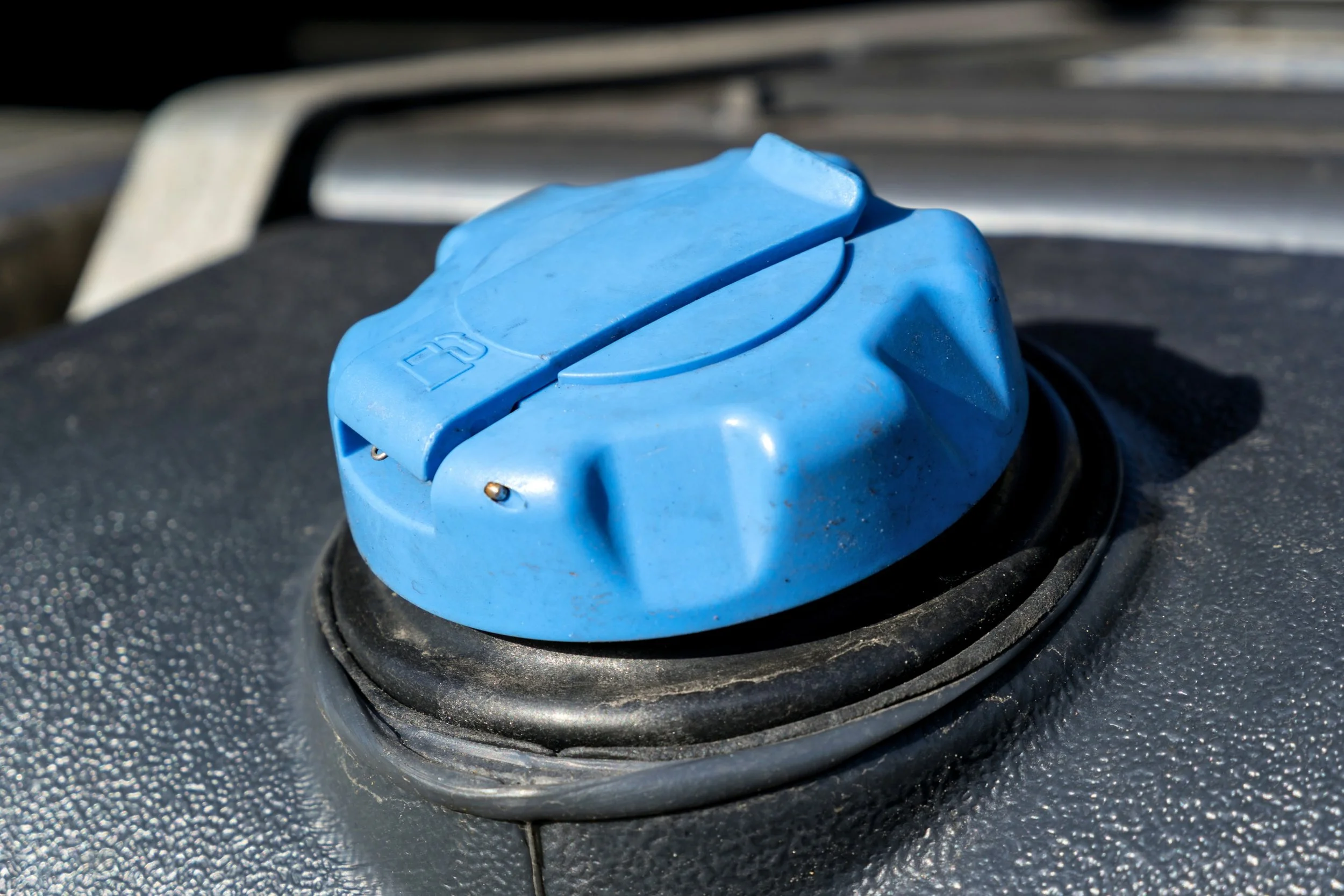
The risks of contaminated fuel
Fuel contamination can affect both day-to-day operations and long-term reliability. Restricted fuel flow due to sediment or sludge can lead to blocked filters, reduced efficiency, and unexpected equipment downtime. Water and corrosion products accelerate wear within fuel lines, pumps, and injectors, increasing the likelihood of component failure.
For organisations that rely on backup generators or critical machinery, contaminated fuel undermines reliability when it is most needed. Fuel that appears serviceable during routine operation may fail under load or after periods of inactivity.
There are also compliance considerations: tank failures, leaks, or overflows caused by corrosion or degraded fittings can result in environmental damage and regulatory exposure. Addressing contamination at the storage stage reduces both operational risk and longer-term cost.
Preventing fuel contamination through tank design and selection
Bunded tanks and secondary containment
Bunded tanks incorporate secondary containment around the primary fuel tank. This design reduces environmental risk and provides an additional barrier between the tank and external moisture, ground conditions, and surface water.
Some bunded tanks can also be specified with a fire-protective jacket, which not only enhances fire resistance but provides a degree of insulation against both hot and cold weather conditions. This can help reduce temperature extremes at the tank surface, supporting more stable storage conditions and limiting the effects of temperature-driven condensation.
Secondary containment also supports inspection by making leaks, condensation, or standing water easier to identify before they escalate into more serious problems.
Tank structure and materials
Tank structure plays a significant role in contamination prevention. Well-designed tanks use durable materials, secure fittings, and properly specified vents to limit water ingress and airborne debris.
High-quality seals and protected fill points help control how air and moisture interact with the fuel inside the tank. Over time, these design details make a measurable difference to fuel quality and tank longevity.
Correct siting and installation
Proper installation is essential for long-term contamination control. Tanks should be positioned on level, load-bearing bases and located away from drainage channels, flood-prone ground, or areas where rainwater collects.
Good siting also allows for safe access during inspections and routine checks. Tanks that are difficult to access are more likely to develop unnoticed issues that contribute to contamination.
Monitoring and inspection as a preventive strategy
Visual inspection
Routine visual inspection remains one of the most effective preventive measures. Checking the condition of vents, seals, gauges, and fill points helps identify potential routes for water ingress before contamination develops.
Where bunded tanks are used, inspecting the bund area for standing water or staining provides early warning of leaks or condensation-related issues.
Fuel levels and telemetry monitoring
Maintaining appropriate fuel levels helps reduce condensation by limiting the air volume inside the tank. Tanks that sit partially empty for long periods are more susceptible to moisture build-up.
Telemetry and monitoring systems provide continuous visibility of fuel levels and usage patterns. This data supports early detection of anomalies that may indicate leaks, unauthorised access, or emerging storage issues.
Day-to-day best practice for fuel storage
Effective fuel storage relies on consistent, practical habits. Fill points should be kept clean, secure, and protected from rainwater and debris. Delivery areas should be maintained to minimise the risk of contamination during refuelling.
Managing exposure to temperature fluctuations also plays a role. Where possible, tanks should be sited to avoid extreme heat or cold cycles that drive condensation formation year-round.
Good housekeeping around tanks supports inspection and reduces environmental exposure. Keeping vegetation, debris, and standing water away from storage areas makes potential issues easier to identify and address early.
When storage tanks become part of the problem
Over time, ageing tanks or poorly specified storage solutions may increase the risk of contamination. Indicators include repeated water ingress, persistent sediment build-up, limited access for inspection, or fittings that no longer seal effectively.
In these situations, upgrading to a more suitable tank can be a preventive step rather than a reactive one. Modern static tanks, mobile tanks, or fire-protected tanks often provide improved containment, better compatibility with monitoring systems, and closer alignment with current regulatory expectations.
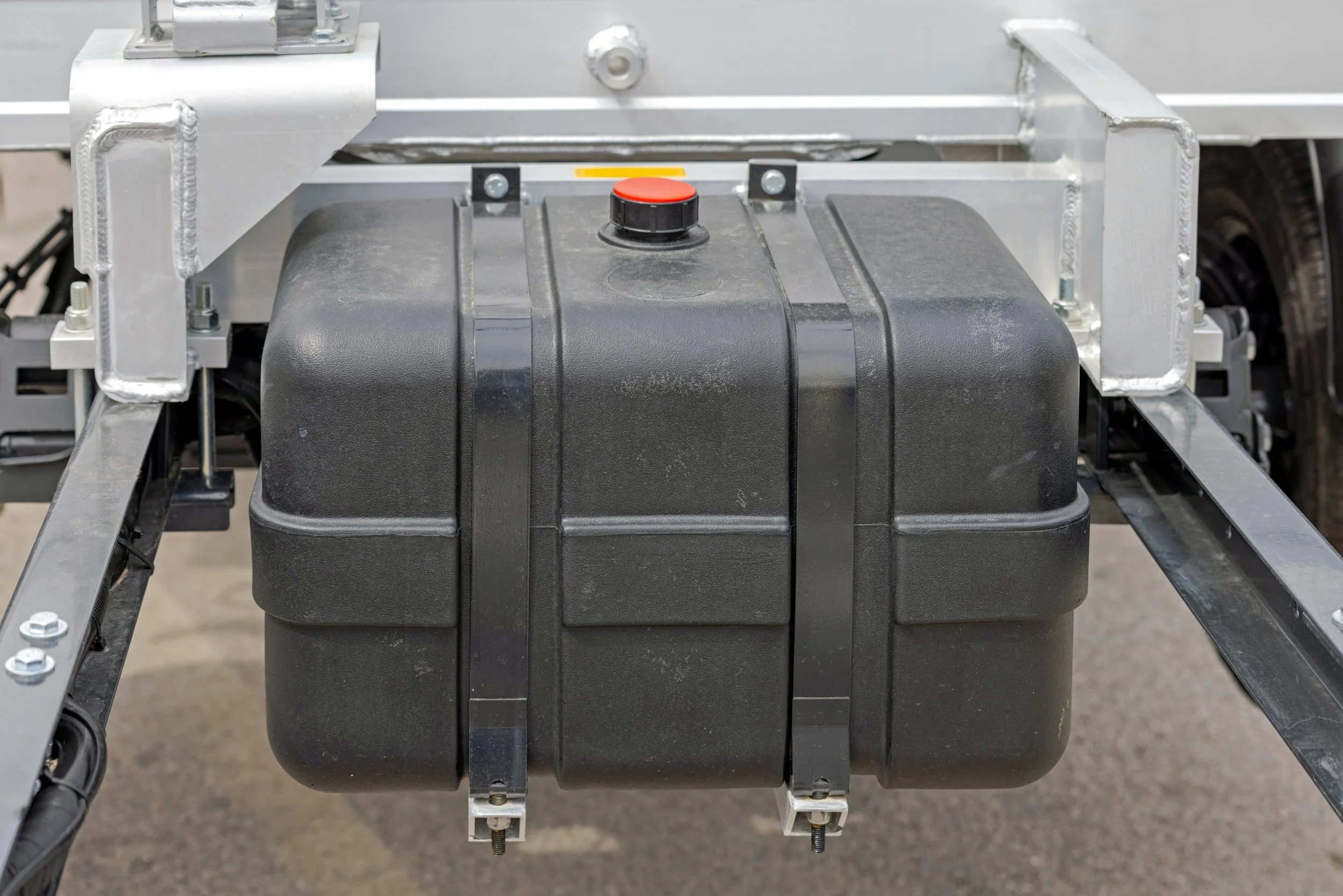
Why Choose The Petrol Tank Company
The Petrol Tank Company supplies fuel storage solutions designed to support safe, reliable, and compliant fuel storage. The focus is on tank design, build quality, and suitability for real operating environments.
By offering static tanks, bunded tanks, mobile tanks, and fire-protected tanks, we can help organisations select storage solutions that reduce contamination risk through appropriate containment, construction, and compatibility with inspection and monitoring practices.
The emphasis is on providing storage tanks that support long-term fuel quality management and operational resilience, rather than short-term fixes.
Conclusion
Preventing fuel contamination is essential for maintaining fuel quality, protecting equipment, and ensuring reliable operations.
By selecting the right storage tanks, implementing regular inspections, controlling moisture, and practicing good fuel management, you can significantly reduce contamination risks.
A proactive approach to fuel storage not only safeguards your fuel supply but also helps avoid costly repairs and downtime, ultimately supporting the long-term efficiency and performance of your equipment.
Frequently Asked Questions
-
Water is the most common contaminant. It enters through condensation, faulty seals, vents, or rainwater exposure and enables other contamination issues to develop.
-
Keeping tanks appropriately filled, minimising temperature fluctuations, and ensuring vents and seals are in good condition all help reduce condensation formation.
-
Yes. Bunded tanks and well-designed storage tanks with proper fittings and secondary containment reduce exposure to moisture and environmental contaminants.
-
Visual inspections should be carried out regularly, with frequency based on usage, location, and criticality. Routine checks help identify issues before contamination develops.
-
If a tank shows repeated contamination issues, limited access for inspection, ageing components, or inadequate containment, upgrading may reduce risk and improve compliance.
