

How Does Cold Weather Affect Diesel Fuel?
Understanding Why Diesel Congeals and How to Prevent Winter Blockages

Understanding how cold weather affects diesel fuel is essential for preventing gelling inside storage tanks, blockages within dispensing equipment and restricted flow through filters. Diesel contains paraffinic wax molecules that perform well at normal temperatures, contributing to fuel stability and energy content. As temperatures fall, these waxes begin to crystallise. What starts as a subtle increase in viscosity progresses into more pronounced thickening, eventually forming larger wax structures that interfere with storage and dispensing operations.
This transformation occurs gradually but consistently, and it affects stored diesel long before it ever reaches equipment or vehicles. As freezing temperatures take hold, wax crystals form, grow and accumulate within the tank. This leads to reduced flow at the pump, slower dispensing rates and increased restriction across filters. In severe cold, the fuel can become semi-solid, making transfer or pumping impossible until temperatures rise.
For organisations storing diesel on site, whether for plant, generators, machinery refuelling or fleet operations, the impact of winter weather is predictable, measurable and entirely avoidable with the right approach. Understanding these cold-weather characteristics allows operators to protect fuel quality, maintain a reliable supply, and prevent costly winter downtime.
Key Takeaways
As temperatures fall, diesel begins forming wax crystals, which accumulate within storage tanks and can lead to fuel gelling and restricted flow.
The Cold Filter Plugging Point (CFPP) identifies the temperature at which diesel will begin to block filters during storage or dispensing.
Water contamination makes cold-weather problems worse, as any free water freezes into ice crystals that rapidly obstruct pumps and filters.
Using winter diesel blends, appropriate cold flow additives, and correct fuel storage practices helps prevent gelling and maintains reliable winter performance.
Cold Weather Diesel Behaviour and Critical Temperature Thresholds
Cold weather causes diesel fuel to form wax crystals that thicken the fuel and can block filters and pipes in storage and dispensing systems. Understanding these effects helps prevent fuel gelling and maintain reliable flow during winter.
How Paraffin Crystals Form and Affect Stored Diesel
When diesel cools inside a storage tank, the paraffinic components within the fuel begin to crystallise. At first, these crystals are microscopic and simply increase the fuel’s thickness. As temperatures continue to fall, the crystals grow, merge and form larger structures that interfere with normal fuel movement.
In a storage environment, this results in slower dispensing rates, increased restriction across filters and eventual thickening within pipework and pump systems. As wax formation progresses, diesel becomes increasingly difficult to pump or transfer, and in severe cold, it can become semi-solid.
This progression is the foundation of diesel gelling and the main reason fuel storage and dispensing systems struggle during prolonged cold weather.
Cloud Point: The First Visible Sign of Wax Formation in Storage
The cloud point is the temperature at which wax crystals first become visible in the fuel, giving diesel a cloudy or hazy appearance when viewed in a sight glass or sample jar. This visual change marks the beginning of wax crystallisation and indicates that the fuel’s cold flow characteristics are starting to weaken.
Although diesel may still move through the storage system at this stage, further cooling will increase restriction. In the UK, cloud point typically ranges between 0°C and -5°C depending on the seasonal blend supplied to the tank.
Cold Filter Plugging Point (CFPP): The Practical Limit of Dispensing Stored Diesel
The Cold Filter Plugging Point, or CFPP, represents the lowest temperature at which diesel will still pass through a standardised filter under controlled laboratory testing. For storage systems, CFPP is a critical benchmark because filters are usually the first components to experience wax-related blockage.
As wax crystals accumulate, they bind to filter media and gradually reduce flow until dispensing becomes slow, erratic or impossible. Winter-grade diesel in the UK generally achieves a CFPP of around -12°C, while summer diesel sits at approximately -4°C. Once the fuel in a tank cools below its CFPP, filters can plug rapidly even if the fuel inside the tank has not fully gelled.
Pour Point: When Stored Diesel Becomes Immobile
The pour point marks the temperature at which diesel becomes sufficiently thick that it can no longer flow at all. At this stage, the fuel solidifies to the point that pumps, transfer lines and dispensing equipment cannot move it.
Pour point values depend on fuel blend, additive treatment and supply chain variations, but typically sit several degrees below CFPP. When fuel in storage reaches its pour point, systems remain immobilised until temperatures rise enough for wax crystals to dissolve back into solution.
Why Diesel Goes Cloudy as Temperatures Drop
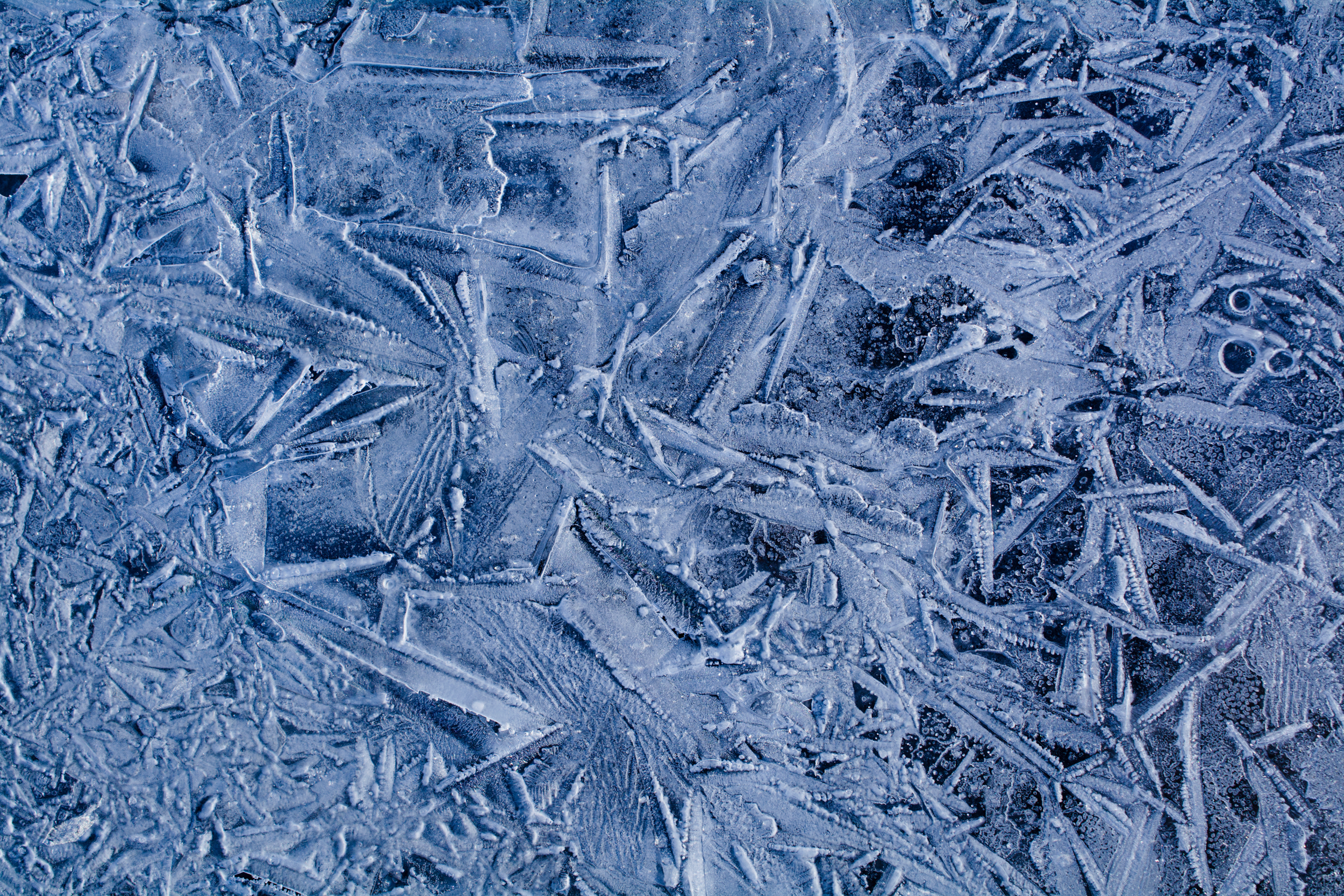
When stored diesel begins to turn cloudy, it is an early indication that paraffin crystals have started to form within the fuel. This cloudy appearance is a natural response to falling temperatures and is not a sign of contamination or degraded fuel. It shows that the diesel has reached the point where wax crystallisation is becoming visible.
In a storage environment, cloudiness is often first noticed in sight glasses, sampling jars or filter bowls. Although the fuel may still be pumpable at this stage, waxing has begun, and the risk of restricted flow increases rapidly.
As temperatures continue to fall, these crystals grow and start accumulating in filtration systems, pipework and dispensing equipment, eventually leading to slow flow or complete blockage if left unaddressed.
The Role of Water and Ice in Winter Diesel Problems
Water is a significant threat to stored diesel during cold weather. It can enter storage tanks through condensation, poorly sealed lids or vents, or contaminated deliveries. When temperatures reach freezing, any free water in the tank or dispensing line turns into ice. Unlike wax, which forms gradually, ice forms suddenly and can cause immediate operational issues.
Ice crystals can block filters far more quickly than wax, restrict transfer pumps and prevent fuel from passing through suction lines or dispensing nozzles. Even a very small amount of water at the bottom of a tank can freeze and obstruct fuel flow. For this reason, effective winter fuel management demands strict water control, regular tank draining and the use of water-separating filtration designed for storage and dispensing systems.
As fuel storage experts, we often see winter failures caused not by waxing but by ice formation inside tanks and pipework. It is one of the main reasons we emphasise water management as a core part of winter fuel preparation.
Recognising Fuel Gelling Symptoms Early in Storage Systems
Fuel gelling inside storage systems typically appears as a gradual reduction in flow rather than engine behaviour. Operators may first notice that fuel dispenses more slowly from the tank, or that pumps take longer to prime. Filter housings may reveal thickened, hazy or partially solidified diesel when inspected.
As waxing becomes more advanced, inline filters begin to restrict, and dispensing equipment may struggle to maintain a consistent flow. In more severe cases, transfer pumps may fail to move fuel altogether because wax crystals have accumulated to the point of blocking pipework or filter elements.
These signs indicate that the diesel within the storage system has reached its cold flow limit and requires intervention before further cooling causes complete system immobilisation.
Understanding Seasonal Blends for Storage
Seasonal diesel blends supplied in the UK are designed to address cold-weather issues at the storage and dispensing stage. Winter diesel is formulated to resist wax crystallisation at lower temperatures, maintaining better flow characteristics during freezing conditions.
Winter diesel achieves this through a combination of lower CFPP values, modified paraffin behaviour and additive packages that prevent wax crystals from forming large structures. Although winter diesel contains slightly less energy content than summer diesel, its cold-weather performance makes it essential for reliable storage during winter months.
For lower usage or intermittently used tanks, we have a diesel additive available to order that helps preserve fuel quality and support cold-weather performance, where switching fully to winter-grade fuel may not be practical.
Mixing summer diesel with winter diesel reduces the cold flow protection provided by winter-grade fuel. For this reason, operators storing diesel on-site should aim to reduce tank volume before the seasonal changeover to ensure the tank contains predominantly winter-grade fuel when temperatures drop.
Managing Bulk Diesel Storage for Improved Cold Weather Operation
Bulk storage tanks require particular attention during winter because once a large mass of fuel becomes cold, it remains at a low temperature for a long period, even if the ambient temperature rises temporarily. This prolongs the risk of waxing inside the tank and makes recovery slower.
To maintain proper fuel flow during cold weather, tanks should be kept as full as possible to reduce air volume and limit condensation, which helps prevent water contamination and ice formation. Regular drainage of tank bases and water separators is essential to remove any accumulated water before it freezes.
Locating tanks in sheltered or insulated areas can reduce wind chill and slow heat loss, improving cold-weather resilience. Regular winter inspections ensure that filters, pipework, valves and dispensing pumps remain clear, functional and free from restriction.
Proactive measures such as pre-winter servicing, filter replacement, system testing and planning additive use can dramatically reduce the likelihood of fuel waxing or ice blockages.
Developing a High Reliability Winter Fuel Strategy for Storage Systems

An effective winter fuel strategy begins before temperatures reach critical levels. Reliability depends on storing fuel that is suitable for cold climates, maintaining clean, dry tanks and ensuring that dispensing systems are ready to handle cold weather conditions.
Introducing winter diesel early allows the storage system to benefit from its enhanced cold-flow characteristics. Cold flow additives can provide additional protection, but they must be applied before the fuel cools below its cloud point. Once waxing has begun, additives cannot reverse the process.
Sheltering tanks, insulating exposed pipework and staying ahead of weather forecasts help maintain stable fuel conditions during sudden cold spells. Regular removal of water from tank bases and separators is essential, as frozen water is one of the most common causes of winter blockages in stored diesel.
Winter-specific maintenance routines, such as increased filter inspections and system checks, provide another protective layer and help ensure the continuous availability of diesel throughout the coldest months.
Considering HVO and Alternative Fuels for Superior Cold Weather Storage Performance
Hydrotreated Vegetable Oil (HVO) offers excellent cold-flow performance and is an increasingly popular option for operators requiring high reliability during winter. With a CFPP as low as -32°C, HVO performs exceptionally well in storage systems exposed to very low temperatures.
Because HVO contains no FAME, it absorbs significantly less water than mineral diesel, which improves storage stability and reduces the risk of ice formation. Its clean-burning nature also limits deposit build-up in tanks, pipework and filters. For sites operating in consistently low temperatures or remote, exposed environments, HVO provides exceptional resilience and reliability as a stored fuel.
Why Choose The Petrol Tank Company?
At The Petrol Tank Company, we specialise in safe, compliant and reliable storage of diesel and other fuels, and we understand the unique challenges that winter brings. Every tank we design and manufacture in the UK meets national and European standards, ensuring long-term and consistent cold-weather performance.
Our product range spans static diesel tanks, mobile refuelling systems, AdBlue tanks, bespoke engineered solutions and complete fuel infrastructure projects. When standard configurations are not suitable, we design and manufacture tailored systems to suit unique operational requirements, site layouts and compliance needs.
We support customers nationwide with installation, servicing and regular maintenance. Our expertise covers all aspects of winter fuel management, from water control and filtration to tank condition, additive guidance and cold weather protection.
Our goal is to ensure that your entire fuel storage system performs year-round reliably. With high-quality tanks, comprehensive aftercare and expert support, we help protect your fuel, equipment and operations through even the harshest winter conditions.
Conclusion
Cold weather affects stored diesel through predictable physical changes that can restrict flow, block filters, and disrupt dispensing systems. Wax crystallisation, water contamination, ice formation and unsuitable fuel blends are the leading causes of winter storage problems. However, with the right preparation, correct fuel choice, effective storage management and a proactive maintenance routine, these issues can be fully controlled.
By understanding cloud point, CFPP, paraffin behaviour and the characteristics of winter diesel, operators can take informed steps that protect their stored fuel and maintain consistent performance throughout cold weather. Reliable fuel storage depends not only on the quality of the diesel itself, but also on the condition of the tanks, pipework, filtration and dispensing infrastructure handling it.
Frequently Asked Questions
-
Diesel gels in the cold because its paraffinic wax begins to crystallise. In storage, these crystals thicken the fuel and can block filters, pipework and dispensing systems, preventing fuel from flowing until temperatures rise.
-
CFPP is the lowest temperature at which diesel will still pass through a filter. It matters because storage and dispensing filters are usually the first components to block when waxing begins. Winter diesel, with a lower CFPP, helps maintain flow in cold weather.
-
Water freezes into ice at low temperatures, and even small amounts can block filters, valves and suction lines. This stops fuel flow instantly. Regular water draining and good tank maintenance are essential to prevent ice-related blockages.
-
It’s not recommended. Mixing reduces the cold-weather protection of winter diesel, meaning the blend will wax and block filters at higher temperatures. Tanks should be managed so winter diesel predominates during colder months.
-
Use winter diesel early, add cold-flow additives before fuel cools, keep tanks full to limit condensation, drain water regularly and protect tanks and pipework from exposure. Routine winter checks ensure reliable fuel flow throughout cold conditions.
