

Fuel Storage Safety: How To Store Diesel, Petrol, And Other Fuels Safely
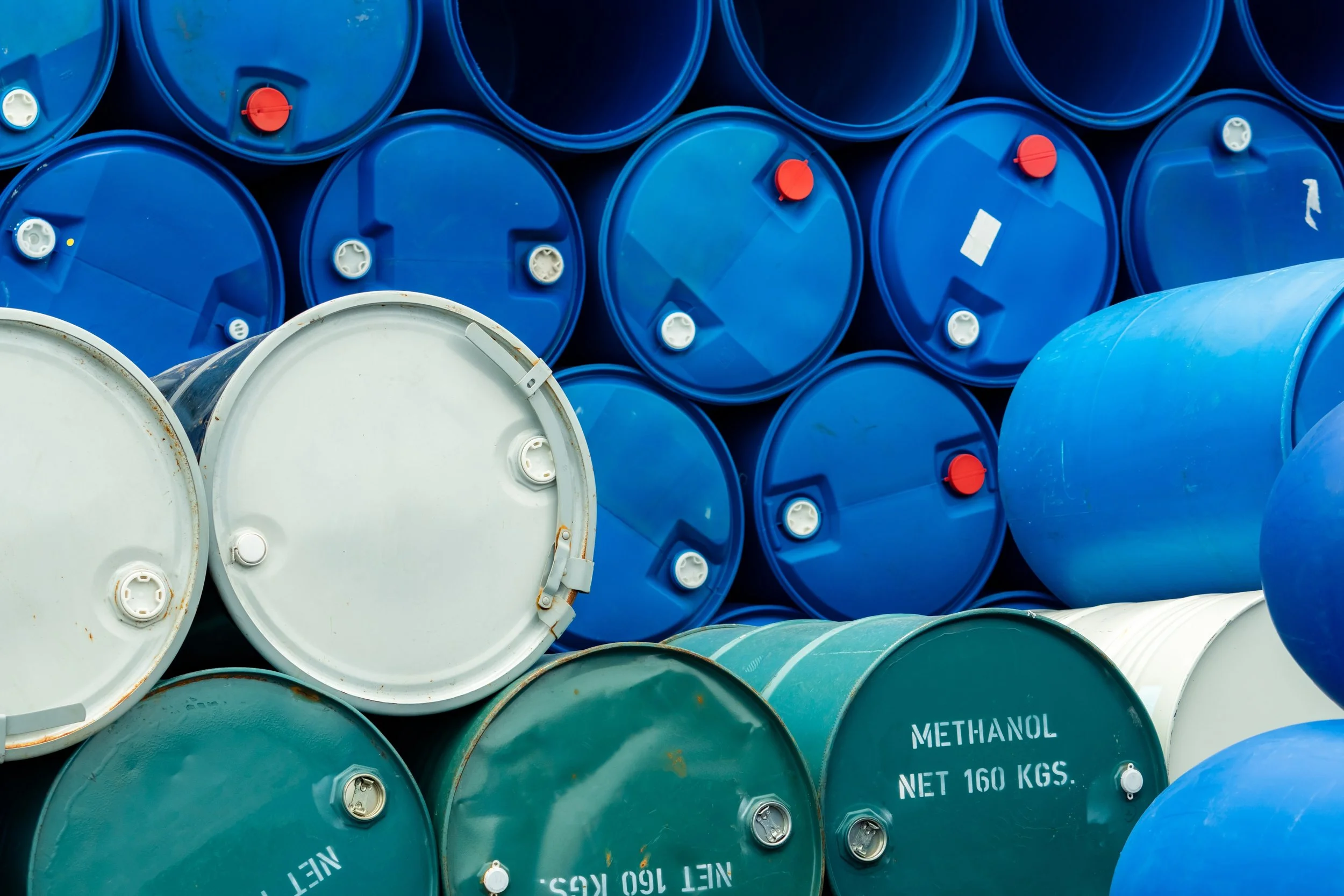
Fuel storage safety is a critical consideration for anyone storing diesel, petrol, heating oil or other fuels, whether at home, on a farm, at a construction site or within a commercial operation. While fuel is essential for powering vehicles, machinery and equipment, improper storage of flammable liquids can create serious risks, including fire, explosion, environmental contamination, and costly regulatory penalties.
Effective fuel storage involves much more than choosing the right tank. Operators must consider storage location, fire prevention measures, secondary containment, maintenance procedures and emergency response planning. Regular inspections and fuel storage risk assessments are also essential for identifying hazards before they lead to incidents.
This guide explains the key principles of fuel storage safety, covering the safe fuel storage requirements for diesel, petrol and other fuels, common fuel storage fire risks, legal compliance obligations and practical steps to reduce the likelihood of leaks, spills and environmental damage.
Key takeaways
Fuel storage safety helps reduce the risk of fires, explosions, pollution incidents, and costly operational disruption
Different fuels present different hazards, meaning storage systems, containers, and maintenance requirements can vary significantly
Safe fuel storage requires appropriate tanks, suitable locations, secondary containment, and regular inspections
Businesses should carry out fuel storage risk assessments and maintain clear procedures for deliveries, spill response, and emergencies
Failure to comply with fuel storage regulations can result in enforcement action, fines, and environmental remediation costs
Why fuel storage safety matters in 2026
Storing fuel poses significant dangers if not handled correctly. Fuel storage is routine at homes, farms, construction sites, petrol stations, and depots, but over 15% of pollution incidents are due to oil spills.
The primary hazards include fire and explosion from flammable vapours, as well as environmental pollution from spills and leaks during fuel storage. Petrol is volatile; diesel is less flammable but can pollute the water environment for years. Spills can contaminate soil and water sources, creating long-term hazards.
This guide covers above-ground tanks and containers in the UK and Ireland for:
homeowners storing small amounts;
fleet and facilities managers;
farmers and construction firms;
business sites with dispensing equipment, bowsers or bulk tanks.
Understanding fuel types and their storage risks
Different fuels behave differently. Petrol, or petroleum spirit, has a flash point around -40°C, so vapours form easily, and fuel vapours can ignite in the presence of open flames, sparks, or smoking materials. Diesel fuel usually has a flash point above 38–52°C, but diesel spills can still create pollution and cleanup costs.
Diesel is used in internal combustion engines, power plants, generators, and vehicles. Diesel storage failures often come from water ingress, corrosion or poor pipework. Water buildup in tanks encourages microbial growth and contamination, especially with biodiesel blends.
Other fuels such as heating oil, kerosene, lubricating oil, HVO, LPG and DEF have different risks: corrosion, water absorption, freezing, vapour build-up or material incompatibility. Direct skin contact or inhalation of fumes can cause health issues; prolonged skin contact can irritate the skin, and inhaling fuel vapours can cause dizziness or illness.
Understanding fuel storage fire risk
Petrol presents one of the highest fuel storage fire risks because it produces highly flammable vapours that can ignite from relatively minor ignition sources. Poor ventilation, damaged containers, electrical equipment, smoking materials, and hot work activities can all increase the likelihood of ignition.
To reduce the risk of fuel storage fires, operators should store fuel in approved tanks or containers, maintain adequate ventilation, eliminate ignition sources where possible, and ensure that appropriate emergency procedures are in place.
How to store diesel fuel safely on site
Commercial diesel storage typically uses fixed diesel tanks, demountable fuel tanks, drums, IBCs, or bowsers. Diesel storage tanks can range from 1350 to 100,000 litres, although many UK sites store 1,000–50,000 litres.
Safe diesel storage has three pillars:
Choose suitable tanks
Place them in a protected site location
Keep tanks and equipment inspected regularly
Label every storage tank with product, capacity, hazard symbol and emergency contacts. Safety signs should be placed where fuel is stored to alert others.
Choosing safe and compliant fuel tanks
Steel diesel tanks have a life expectancy of over 30 years, while plastic diesel tanks can last over 20 years with proper maintenance. Even plastic tanks can last 20 years if well-maintained.
Use certified new tanks where possible. The oil-firing technical association standards include plastic containers and tanks, such as OFS T100, and metal containers and tanks, such as OFS T200 or BS 799-5.
Bunded diesel tanks contain a secondary layer for safety and can contain 110% of the inner tank's volume. Useful equipment includes:
locked fill points
gauges and contents monitors
overfill alarms
anti-siphon valves
vents and integrated drip trays
Selecting the right location for diesel tanks
Keep fuel tanks away from traffic routes, loading bays and plant movement. Use bollards to protect tanks from vehicle impact. Do not place tanks over drains, soakaways or watercourses.
A suitable storage location is firm, level, impermeable and accessible for delivery and maintenance. Add fencing, lighting, locks and CCTV where theft is a risk.
For example, a farm store might place a bunded tank on concrete, 10 metres from machinery routes, with barriers, signage, a spill kit and no drain connection.
Diesel storage regulations and compliance duties
The Control of Pollution rules apply to above-ground oil and diesel storage of more than 200 litres at most business premises. Secondary containment systems must hold 110% of the largest tank's volume, or 25% of the total capacity, whichever is greater.
COMAH may apply at very large sites with major accident hazards. Keep site plans, inspection reports, training records and spill drills.
Legal limits exist for the quantity of fuel that can be stored without notification. Improper fuel storage can lead to legal action, reputational damage, and hefty fines, including an anti-pollution works notice.
Maintaining diesel tanks and fuel quality
Regular inspections of tanks and fittings should be conducted for safety. Regular tank inspections help identify potential issues early. Tanks, bunds and associated equipment should be inspected regularly in accordance with site risk assessments, manufacturer guidance and regulatory requirements.
Check steel for rust, plastic for UV damage, pipework for weeping, and valves for operation. Storage tanks should be cleaned regularly to maintain fuel quality for long-term diesel use, and sampling, stabilisers, biocide, or polishing should be used to protect engines and reduce downtime.
Safe petrol storage: highly flammable fuel at home and work
Petrol is highly flammable, and its vapour is heavier than air, so it can travel to ignition sources. Well-ventilated areas prevent the accumulation of flammable vapours. Fuel containers must be kept away from naked flames and electrical sparks.
At work, petrol is controlled by DSEAR and petroleum rules. At non-workplace premises, similar precautions still apply: store petrol away from living areas, boilers, and electrical equipment.
Legal limits and approved containers for petrol storage
In the UK, up to 30 litres of petrol can be stored at home or at non-workplace premises without notifying the local Petroleum Enforcement Authority, provided it is kept safely and in suitable containers. If more than 30 litres of petrol is being stored, the local Petroleum Enforcement Authority must be notified and further requirements may apply.
Petrol should only be stored in suitable portable metal or plastic containers, a demountable fuel tank, or a combination of these, as permitted under the relevant storage rules. Containers should be purpose-designed for petrol storage, kept securely closed and should not be filled to the top, as fuel needs room to expand.
Where and how to store petrol safely
Store petrol in robust containers, upright, cool and secure. Never store it in kitchens, hallways or escape routes. Decant only in open air or very well-ventilated places, never while smoking.
Buy small amounts, rotate stock, and avoid stale petrol. Fuel storage areas should have appropriate fire extinguishers readily available.
Secondary containment: Bunds, drip trays, and pollution prevention
Secondary containment is essential for pollution control. It may be an outer skin, fixed bund, or portable drip tray.
Bunded tanks must hold 110% of the container's capacity
Drip trays must hold at least 25% of the drum's capacity
Bunds must be oil-tight, crack-free and have no uncontrolled drain
Bunds should be oil-tight, free from cracks, and capable of retaining spills should the primary storage system fail. For smaller equipment such as generators, pumps and drums, drip trays can provide an effective additional layer of protection.
Bunded fuel tanks and fixed bunds
An inner tank holds fuel; the outer bund catches leaks. Fixed bunds around several tanks should have sealed joints, sealed pipe penetrations, safe access and no drain connections.
A depot with several 10,000-litre tanks needs bund capacity based on the largest tank or 25% aggregate, whichever is greater, plus routine checks for rainwater and staining.
Using drip trays for small amounts and mobile equipment
Use a drip tray under drums, pumps, generators and delivery hoses. Keep trays clean and dispose of contaminated liquid as hazardous waste. A workshop can store 205-litre oil drums on stands with built-in trays.
Pipes, valves, delivery hoses, and refuelling areas
Pipework, valves, and hoses often fail before main tanks do. Above-ground pipework is easier to inspect – underground lines require pressure-test records, mapping, and leak detection.
Designing and maintaining safe fuel pipework
Use supported, protected, clearly marked pipes. Minimise joints, check flanges, allow for vibration, and fit fire-safe shut-off valves where needed. Refer to GPP2, OFTEC and current regulations before installation.
Safe refuelling practices and delivery supervision
Supervise deliveries. Confirm tank capacity before filling. Fit lockable caps, overfill protection and trays at fill points. Refuelling areas should be impermeable, signed, lit and separated from drainage.
What to do if a spill or leak occurs
Even a good store can fail. A competent person should act fast to protect people, drains, and the water environment.
Immediate steps for managing fuel spills
Stop the source: close valves, isolate pumps and shut off dispensing equipment
Remove ignition sources and raise the alarm
Use pads, granules, booms and drain covers
Wear PPE and avoid inhalation or skin contact
Report major releases to regulators and insurers
Review the cause, then improve control, maintenance and training
Further information, training, and ongoing compliance
Rules change, so check government oil storage guidance, HSE DSEAR guidance, OFTEC documents, fire rules and local requirements. Train staff annually on fuel storage, delivery supervision, spill response, and emergency contacts.
Review your tanks, bunds, drip trays, containers and procedures now. Fix small issues before they become fires, pollution events or enforcement problems.
Why choose The Petrol Tank Company?
At The Petrol Tank Company, we specialise in compliant fuel storage and inspection support for commercial operators across the UK. With extensive experience in above-ground fuel storage, we help businesses reduce fuel storage risks through high-quality tanks, bunded systems, and practical compliance support.
Our team understands the real-world challenges of safely storing diesel, petrol, kerosene, and other fuels. We assess factors such as tank selection, site layout, secondary containment, environmental protection and ongoing maintenance to help minimise the risk of leaks, spills and fire hazards.
Whether you're installing a new fuel storage system or upgrading an existing one, we can help ensure your storage infrastructure meets current regulations and industry best practices. By combining technical expertise with a strong focus on safety and compliance, we help businesses protect their fuel, their site, and the environment.
Frequently Asked Questions
-
Modern diesel is often stable for 6–12 months in a clean, cool, full tank. Beyond that, test it, sample it, and consider biocide, stabiliser, or fuel polishing.
-
Fuel in a built-in tank is normal, but loose containers in passenger spaces are unsafe. Remove portable containers when not needed and store them in a secure, ventilated outbuilding.
-
Sometimes, but only if capacity, compatibility, and labelling are correct. Do not mix petrol with lower-risk oil stores without competent advice.
-
Many business policies require disclosure of fuel and oil volumes, bunding, inspection records, and spill planning. Non-compliance can threaten coverage after a loss.
-
Never pour old fuel into drains, soil, or general waste. Use licensed waste contractors or specialist recovery services and keep disposal records.
